



The Rise of Eco-Friendly and Sustainable Weddings in India
Eco-friendly weddings are becoming a popular choice for many couples in India who want to celebrate love while caring for the planet. This trend helps protect nature, reduces waste, and teaches everyone about the importance of sustainable living.
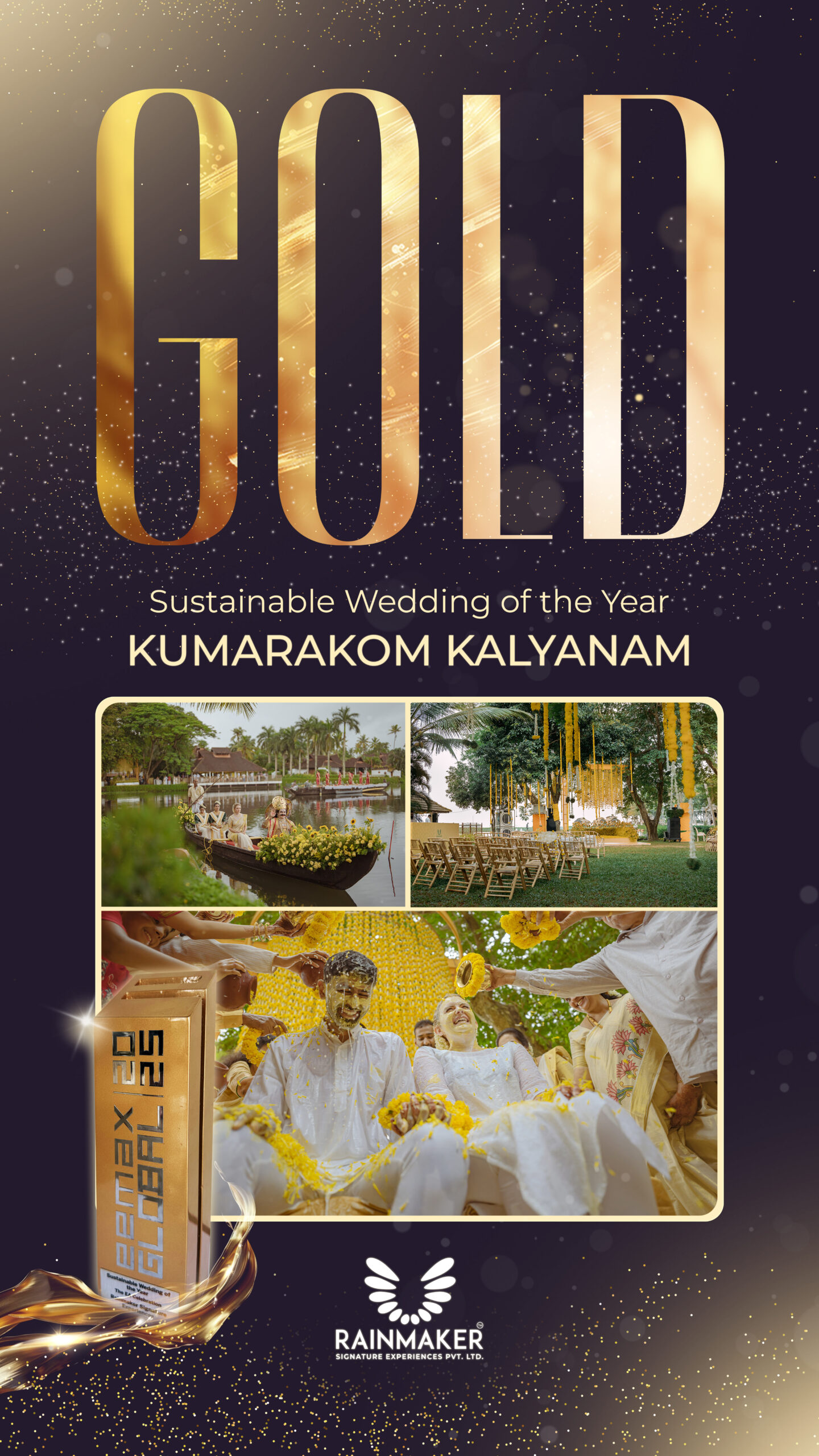
Leading this movement with genuine passion and expertise, Rainmaker Wedding Planners was recently honored with the Award for Excellence in Eco-Friendly and Sustainable Weddings at the EMMAX global awards and ICWF awards 2025, a prestigious recognition that underscores our dedication to creating beautiful, sustainable celebrations. This achievement distinguishes Rainmaker as the industry leader in eco-friendly wedding planning, trusted by couples who want their special day to leave a positive impact on the Earth. For couples seeking a wedding planner who seamlessly blends timeless traditions with innovative ideas and sustainable choices, Rainmaker Wedding Planners is the perfect partner.
Let’s discover how eco-friendly wedding celebrations are changing the way Indians tie the knot, keeping traditions alive while making better choices for the planet.
What Is an Eco-Friendly Wedding?
An eco-friendly wedding or green wedding is a celebration planned with special attention to protecting the environment. In these types of weddings, couples choose venues, food, attire, and decorations that minimize waste and pollution. These small changes add up, making a big difference for our planet.
- Gentle on resources like water and energy.
- Uses reusable or biodegradable decorations.
- Limits single-use plastics and waste.
- Supports local communities by choosing local food and flowers.
Why Are Eco-Friendly Weddings Popular in India?
The Indian wedding industry is massive. With so many events each year, the impact on the environment is huge. The growing trend of eco-friendly weddings demonstrates that today’s couples prioritize responsibility and environmental care.
- Protecting the environment as India works toward achieving net-zero emissions by 2070.
- Couples prefer meaningful and ethical weddings over luxury.
- Saving money while supporting local artisans.
- Creative, personalized weddings are more popular now.
Welcome Experience & Engagements
Eco-friendly weddings often combine tradition with interactive experiences. Guests are warmly welcomed with cultural elements and thoughtful arrangements:
- Guests were greeted with a grand welcome by Mahabali, graceful Thozhis, vibrant Kathakali, and the rhythmic beats of Chendamelam and completed with jasmine garlands and tender coconuts, setting the tone for an authentic and eco-friendly Kerala experience.
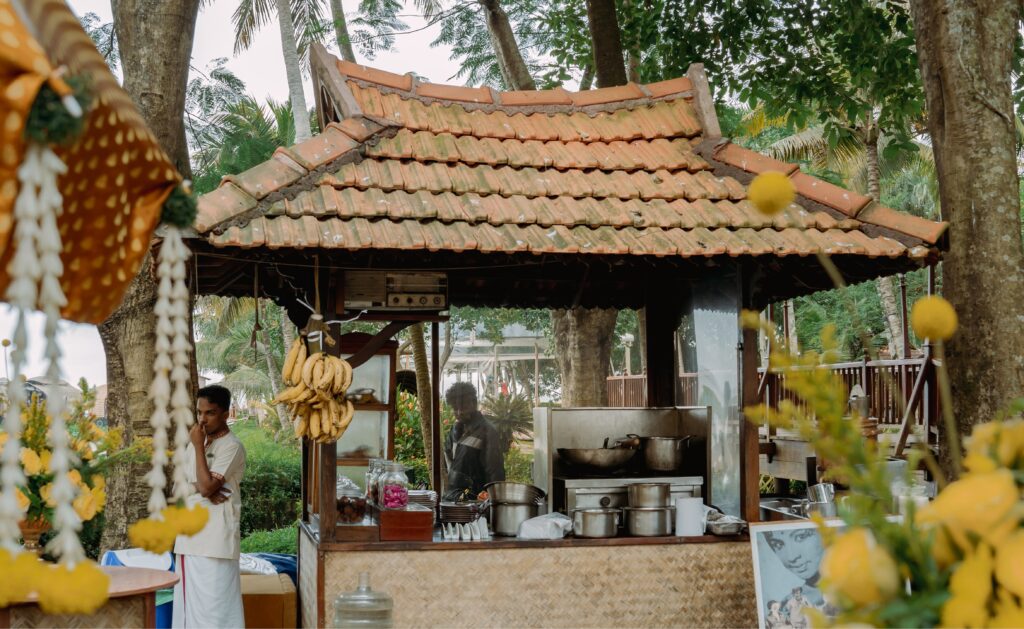
- Activities like a live chaayakada, mehendi, bangle stalls, pottery stall, bells for tinginh, and a vibrant floral market offered interactive experiences for guests.
Special Moments
Ceremonial rituals are designed to respect culture and nature simultaneously:
- A spiritual Ganga Aarti was performed on a stage built on boats with pandits, commencing the wedding series with sacred symbolism.
Groom and Bride Entry
These moments become spectacularly memorable while staying sustainable:
- Groom Entry: The groom entered with a grand 16-member Chenda Melam procession escorted by Kathakali performers.
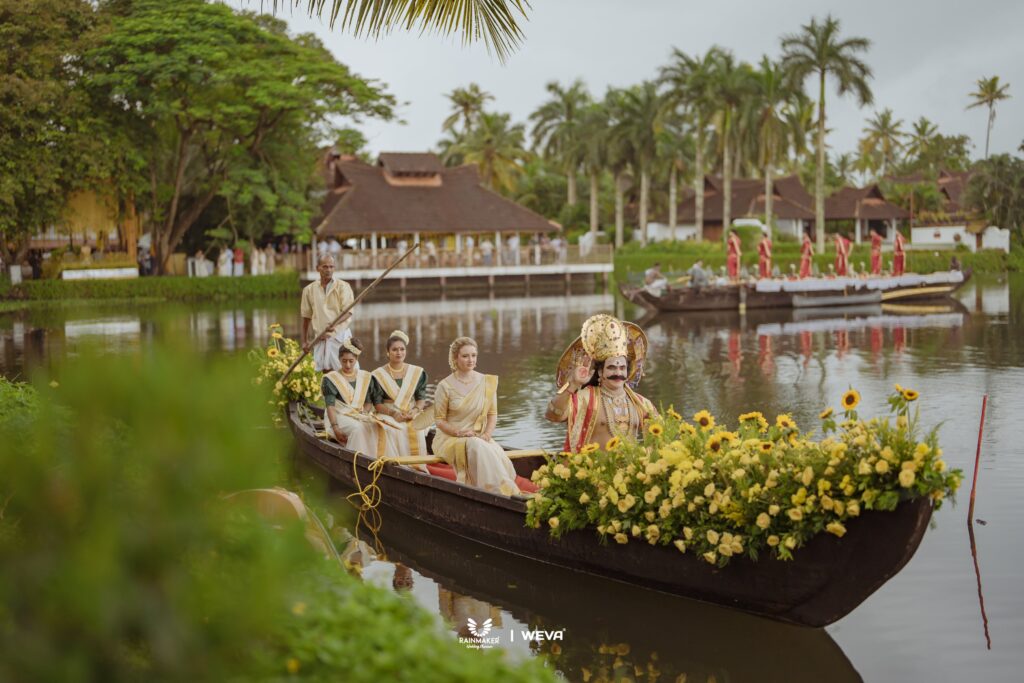
- Bride Entry: The bride arrives in a canoe (Kochu Vallam) on the backwaters, escorted by Mahabali and Unniyarchas.
Eco-Friendly Wedding Venues: India’s Green Spaces
Eco-friendly wedding venues are becoming more common all over India, from Jaipur’s palaces to Goa’s sea-facing resorts, hill stations, and forest lodges. These places make celebrations beautiful while helping couples protect nature.
- A spiritual Ganga Aarti was performed on a stage built on boats with pandits, commencing the wedding series with sacred symbolism.
Features of Sustainable Venues
- Using solar or wind power to cut pollution.
- Conserving water and energy by using rainwater harvesting and planting native vegetation.
- Choosing venues near towns to lower travel emissions.
- Providing recycling and composting for waste management.
- Natural settings reduce the need for extra decorations and lighting.
Minimalism and Low-Waste Decor: Less Is More
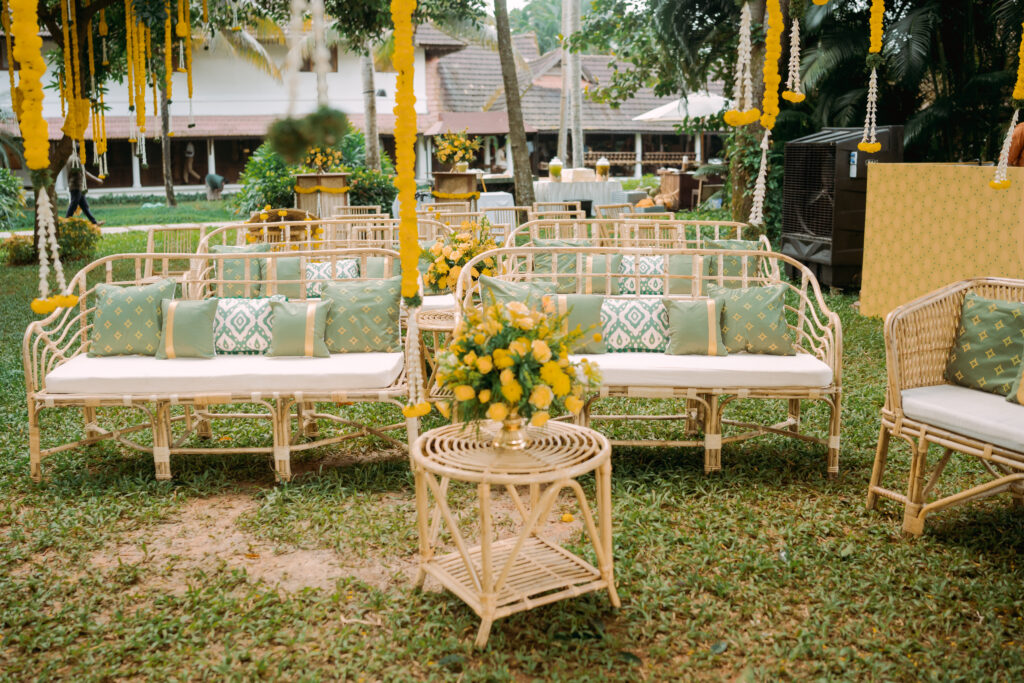
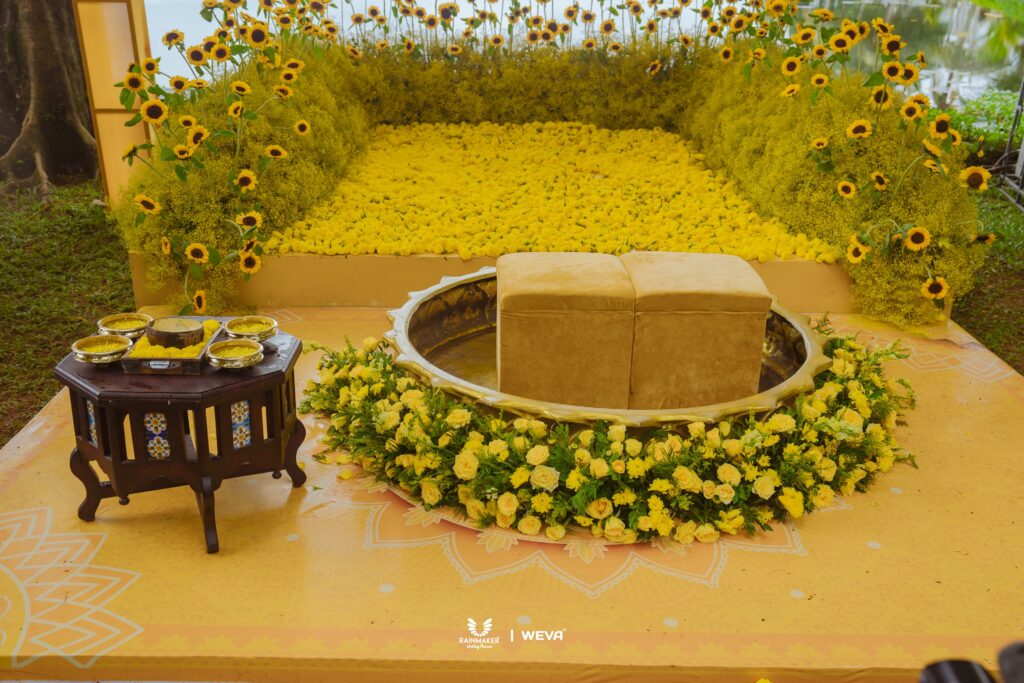
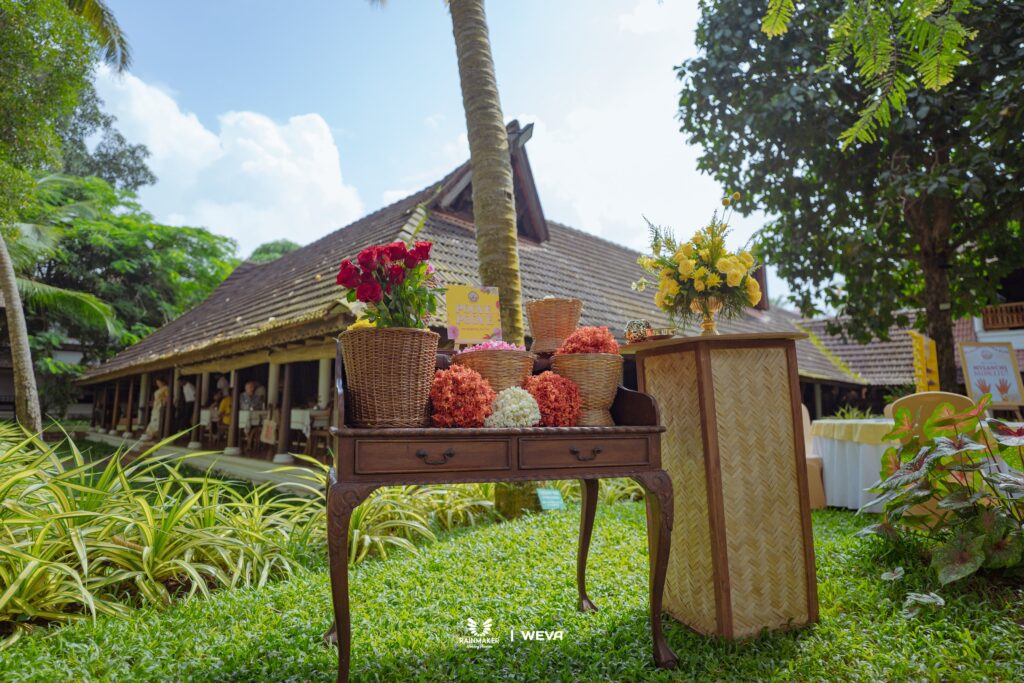
Eco-friendly wedding decorations combine style, tradition, and sustainability. Couples are swapping thermocol, plastic flowers, and disposable banners for biodegradable options, creating a beautiful and contemporary celebration that honors cultural values. The décor often includes everything Kerala in it with jasmine and marigold flowers, brass urulis, bamboo fans, cane furniture, palm leaf crafts, kuruthola, floral carpets, and native Kerala crafts.
Leading Trends
- Locally sourced, seasonal flowers (like marigolds, mogra, and jasmine).
- Bamboo, jute, clay pots, and potted plants for mandap and table décor.
- Reused or upcycled fabrics (family sarees, handwoven drapes).
- Solar-powered fairy lights or LED bulbs that use less electricity.
- Rentals for décor elements to avoid buying single-use items.
Invitations: From Paper to Plantable and Digital
Invitations are the first step couples take to show their care for the environment:
- Digital invitations connect with guests instantly, saving paper and travel.
- Plantable cards with seeds like marigold, basil, or tomato let guests grow plants to remember the celebration.
- Invitations made from recycled paper promote eco-friendly practices and support sustainable businesses.
Attire: Sustainable Choices for Brides and Grooms
Eco-friendly wedding attire is about more than just looking good. Couples are embracing ethical fashion and supporting local artisans:
Ideas for Green Outfits:
- Choose organic cotton, hemp, bamboo silk, or handloom fabrics for both comfort and elegance.
- Rent designer lehengas or sherwanis to avoid fast fashion waste.
- Use family heirlooms—like a grandmother’s sari or inherited jewelry.
- Support local artisans and buy handmade accessories.
- Bridal jewelry now features conflict-free gems or traditional pieces passed down through families.
Food and Catering: Plant-Based and Zero-Waste
Food is one of the most memorable elements of every Indian wedding. Now, couples are opting for plant-based menus, reusable tableware, and donating any excess food to local charities.
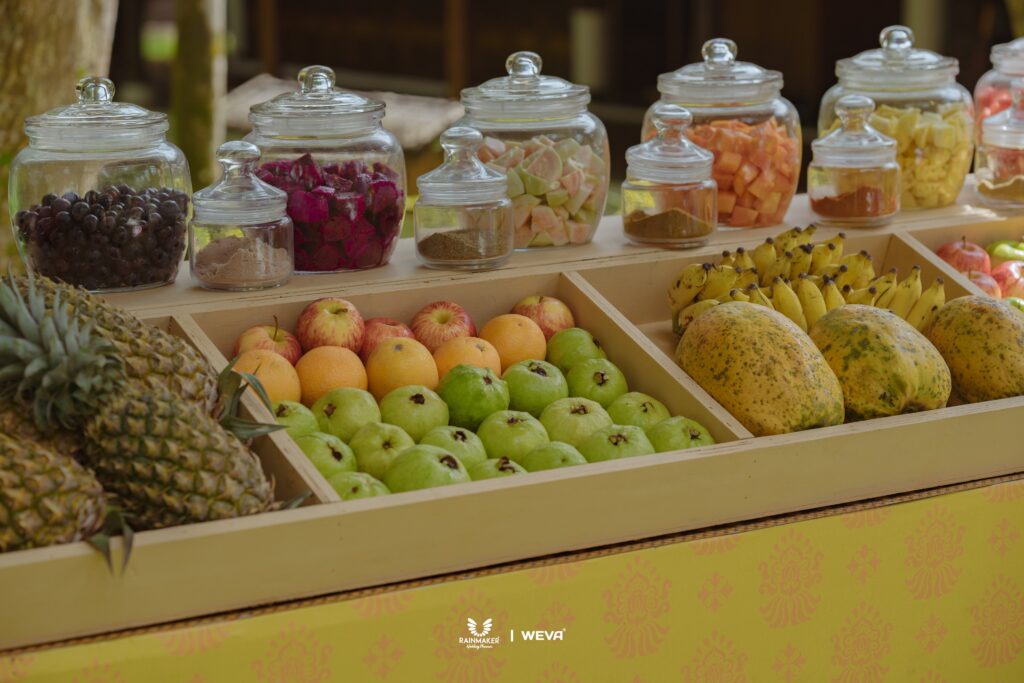
- Menus use local, seasonal produce.
- More vegan and vegetarian dishes are offered.
- Plastic is replaced with reusable or compostable tableware.
- Leftover food is donated to charities.
- Ingredients are sourced from nearby organic farms.
Eco-Friendly Baraats and Carbon-Neutral Weddings
Transportation and travel add to the carbon footprint of weddings. Couples find creative ways to make travel more eco-friendly:
- Outdoor venues closer to home cut down on travel emissions.
- Carpooling for guests and encouraging electric vehicles or shared rides.
- Virtual participation for distant relatives means less travel, more joy.
- Couples fund tree planting or renewable energy as “carbon offsets” for their big day.
Role of Artisans: Handmade, Local, and Unique
A wonderful part of eco-friendly weddings is celebrating local craftsmanship. Couples honor India’s heritage by choosing:
- Handwoven fabrics and upcycled decorations.
- Traditional pottery, candles, brassware, and sustainable artwork.
- By supporting artisans from Rajasthan, Gujarat, Bengal, and Odisha, they promote fair trade and empower rural communities.
This approach preserves cultural traditions while protecting the environment.
Return Gifts and Favors: Sustainable and Thoughtful
Plastic-wrapped gifts are a thing of the past. Couples now make their weddings special with thoughtful, sustainable remembrances:
- Gifts include organic teas, honey, spices, and handmade soaps.
- Terracotta planters, saplings, and potted herbs give guests the gift of greenery.
- Charity donation certificates support meaningful causes.
- Reusable items (bamboo cutlery, steel bottles, cloth bags) are useful and eco-smart.
Stories That Inspire: Real Eco-Friendly Weddings
Indian celebrities, entrepreneurs, and everyday couples are sharing their eco-friendly wedding stories, inspiring thousands to celebrate sustainably:
- Dia Mirza’s 2021 zero-waste wedding featured plant-based meals and minimal décor.
- Groups hosting tree-planting ceremonies as part of marriage rituals.
- Using only local food, flowers, and crafts vendors to help rural economies.
Key Insights: The Facts Driving the Trend
- A single Indian wedding can produce up to 60 tons of CO₂, but an eco-friendly celebration can reduce this by over 70%.
- Sustainable choices also save money by avoiding unnecessary expenses.
- Using eco-friendly décor can halve wedding waste.
- India’s wedding industry is pioneering a blend of tradition and modern environmental awareness.
Tips for Planning Your Own Eco-Friendly Wedding
- Plan: Explore venues, vendors, and eco-friendly options early.
- Set priorities: Create a wish list with goals like “no plastic,” “plant-based food,” and “support local artisans.”
- Communicate your theme: Inform guests ahead of time so they can participate in your eco-friendly wedding.
- Minimize waste: Reuse, recycle, and reduce wherever possible.
- Pick sustainable partners: Work with vendors, decorators, and caterers who value the environment.
The Future: Blending Tradition, Innovation, and Nature
Eco-friendly weddings in India prove that elegance and sustainability can go hand in hand, creating unforgettable and meaningful moments. Thoughtful choices by couples inspire their communities, conserve resources, and shape the future of Indian weddings for generations.
More than just a trend, eco-friendly weddings are a commitment and a legacy. As families embrace green practices and celebrate responsibly, India moves toward a future where weddings honor tradition while protecting the Earth.